
Techniques of Positive Affirmations to Develop Emotional Resilience in Children and Adolescents
The Power of Positive Affirmations in Resilience Building
Emotional resilience is a cornerstone of robust mental health, especially for children and adolescents navigating a world teeming with stressors. For younger generations, the ability to rebound from setbacks and adapt to challenges is paramount. One highly effective strategy for fostering such resilience is the regular use of positive affirmations.
Positive affirmations are concise, impactful statements daily recited to reshape one’s thoughts and reinforce self-belief. They serve as a mental muscle-builder, enabling young individuals to cultivate a stronger sense of self. By integrating these affirmations into their daily routines, children can:
- Boost their self-esteem by reminding themselves of their worth and capabilities.
- Enhance their coping mechanisms to handle stress, failure, and emotional upheaval more effectively.
- Encourage a positive mindset, fostering optimism and a can-do attitude in the face of adversity.
Empirical research backs the efficacy of these practices. Studies show that children who actively engage with affirmations demonstrate enhanced emotional stability and report better overall mental wellness. For instance, in a study published by the journal *Psychological Science*, participants who practiced self-affirmation reported lower stress levels and improved academic performance. These findings underline the importance of incorporating affirmation techniques into young people’s lives.
There are numerous ways to implement positive affirmations. Here are some engaging methods tailored for different age groups and settings:
- Creating personalized affirmation cards allows children to develop a tangible connection to their strengths. By designing their own cards, they can express what resonates most with them.
- Engaging in group affirmation activities promotes a sense of community and support. Workshops or classroom sessions where peers share and celebrate each other’s affirmations can strengthen bonds and build group resilience.
- Utilizing technology for digital affirmations caters to the tech-savvy youth. Mobile applications that send daily motivational reminders or offer affirmation exercises can seamlessly fit into their routine.
For parents, educators, and caregivers, a solid grasp of these affirmation techniques can profoundly influence the emotional development of young people. By prioritizing emotional education alongside traditional learning, stakeholders can cultivate a generation equipped to navigate life’s complexities with confidence. The exploration of positive affirmations not only enhances individual self-worth but also fosters supportive environments where emotional growth thrives.
In conclusion, integrating positive affirmations into the daily lives of children and adolescents is not merely about encouragement; it is a fundamental investment in their mental health. Embracing these practices can pave the way for healthier, happier futures for the younger generation, empowering them to face challenges with strength and resilience.
DIVE DEEPER: Click here to discover how positive affirmations can transform your mindset</
Engaging Techniques for Incorporating Positive Affirmations
To effectively harness the power of positive affirmations in developing emotional resilience, it’s crucial to deploy engaging and relatable techniques that resonate with children and adolescents. While the concept may seem simple, the implementation can vary significantly based on age, interests, and personality. Below, we explore several innovative methods to integrate positive affirmations into daily life, creating a more emotionally resilient generation.
Create Personalized Affirmation Journals
Encouraging children and adolescents to maintain a personalized affirmation journal can be an impactful method. This activity allows young individuals to reflect on their daily experiences and identify affirmations that uplift them. Each entry can start with an affirmation, such as “I am capable of achieving my goals” or “I embrace challenges as opportunities for growth.” Over time, this routine not only fosters positive self-talk but also serves as a tangible record of their journey towards emotional resilience. Research indicates that journaling can enhance self-awareness, a vital skill for navigating emotional challenges.
Incorporate Visual Reminders
Visual cues can serve as constant reinforcement of positive affirmations. Creating vision boards where children can place images and words that inspire them is one powerful method. These boards act as a daily reminder of their strengths and aspirations. For instance, a child might use cutouts from magazines, drawings, or stickers to depict their affirmations like “I am strong” or “I can overcome obstacles.” Displaying this board in a common area, such as their bedroom or study space, helps keep positive thoughts front and center.
Utilize Role-Playing Activities
Engaging in role-playing scenarios can help solidify affirmation concepts in a dynamic way. Through structured play, children can act out various challenges they face—be it in school or at home—while employing their affirmations as guiding principles. For example, if faced with a tricky math problem, they might assert to themselves, “I am smart, and I can solve this.” Role-playing not only reinforces affirmations but also cultivates problem-solving skills and emotional regulation.
Encourage Group Affirmation Circles
Group settings can amplify the power of positive affirmations. Organizing affirmation circles in classrooms, youth clubs, or family gatherings fosters a sense of community and support. Participants take turns sharing their affirmations, creating bonds through encouragement and collective positivity. This exercise not only improves individual resilience but also builds a community that nurtures emotional well-being among young people. A study highlighted in the *Journal of Youth and Adolescence* suggests that collaborative efforts in affirmation practices can significantly enhance overall emotional health in youth.
By integrating these techniques into everyday interactions, adults can create an atmosphere that promotes resilience and well-being. Understanding the unique ways children and adolescents connect to their self-affirmations allows for maximum effectiveness in combating negative thoughts and instilling a robust sense of self-worth. As society continues to evolve and present new emotional hurdles, embracing affirmations as a proactive measure becomes increasingly essential.
| Advantage | Benefits |
|---|---|
| Improved Self-Esteem | Regular practice of positive affirmations helps children cultivate a positive self-image, boosting their confidence in various situations. |
| Emotional Regulation | Affirmations assist in managing emotions effectively, allowing children to navigate stressors while maintaining a calm and resilient mindset. |
In the exploration of Techniques of Positive Affirmations, one of the most compelling advantages is the enhancement of self-esteem among children and adolescents. Through consistent reinforcement of positive thoughts, youngsters develop a stronger sense of self-worth. They begin to recognize their talents and capabilities, which is crucial during formative years when peer interaction and acceptance become vital. Emotional regulation is another significant benefit provided by positive affirmations. Youth learn to articulate their feelings and manage negative emotions effectively, equipping them with essential tools to handle challenges. This skill not only contributes to their mental health but also prepares them for life’s inevitable ups and downs in a more resilient manner.If you are intrigued by how these techniques can transform emotional resilience, continue to explore this enriching topic.
DISCOVER MORE: Click here to learn how to cultivate positive affirmations
Creative Activities to Reinforce Positive Affirmations
Alongside the implementation of structured methods, creative activities can play a significant role in reinforcing positive affirmations among children and adolescents. By tapping into their creativity, young individuals can cultivate a deeper connection with affirmations, making them more memorable and impactful.
Art and Craft Sessions
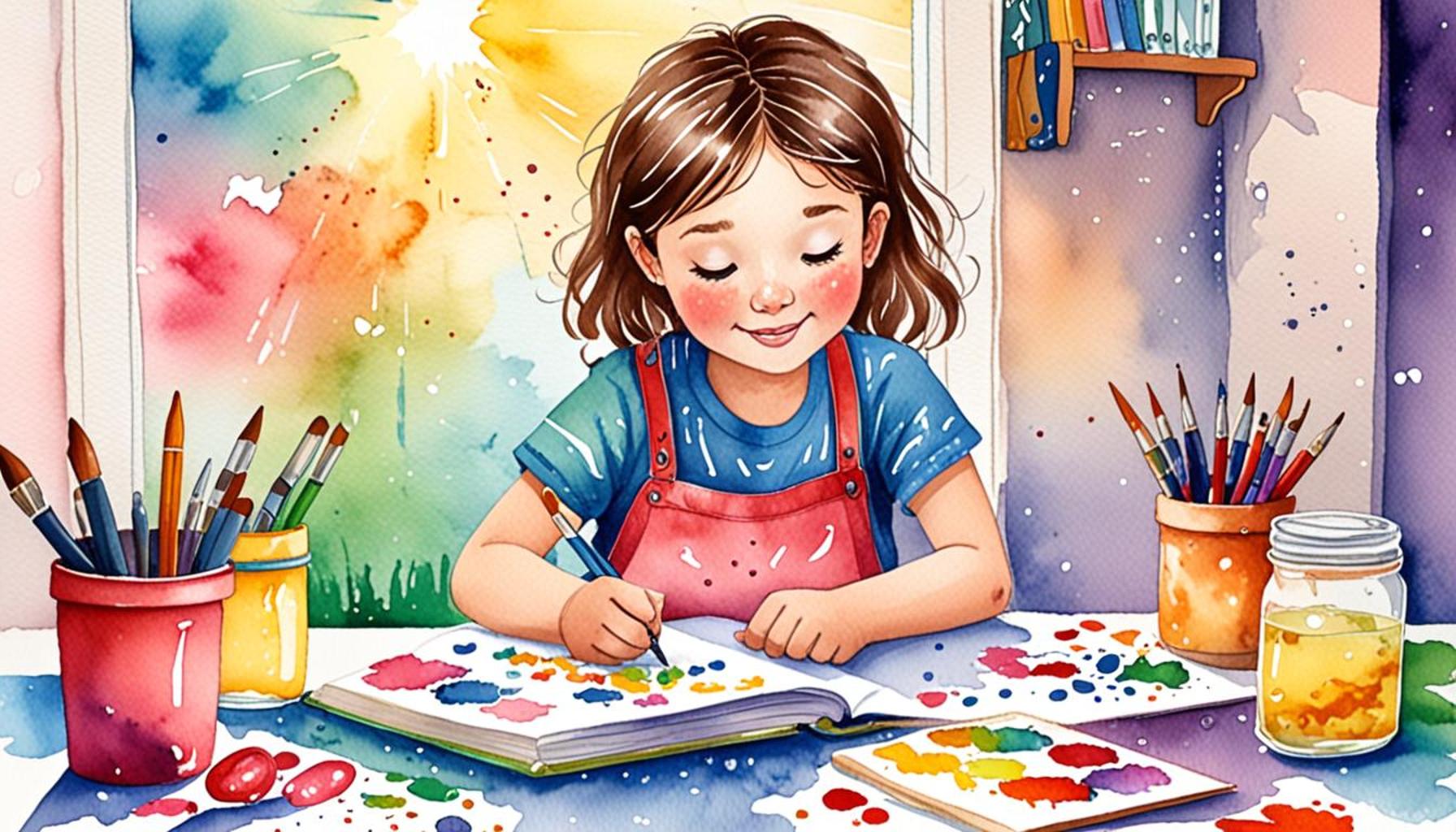
Integrating art and craft sessions focused on positive affirmations can be both enjoyable and therapeutic. Encourage children to create artworks that portray their affirmations visually. This could involve painting, drawing, or collage-making that encapsulates phrases like “I am unique” or “I am capable of great things.” This approach not only enhances their artistic skills but allows them to express their feelings in a non-verbal manner. According to the *American Journal of Expressive Arts Therapies*, creative expression can significantly alleviate stress and boost self-esteem, making it a perfect accompaniment to affirmation practices.
Transform Affirmations into Music or Poetry
Music, poetry, and rhythm are powerful mediums for young people. Composing songs or poems based on their affirmations can help solidify these positive messages in a different context. Children can work together to create lyrics, set them to melodies, or even perform their creation in a group setting. For example, a simple affirmation like “I believe in myself” can be the refrain of an uplifting song. This activity not only aids in retention but also fosters cooperation and boosts confidence in expressing oneself publicly.
Incorporate Technology
In today’s digital age, leveraging technology can greatly enhance the effectiveness of positive affirmations. Introducing kids and teens to interactive apps or platforms that facilitate affirmation practice may align with their tech-savvy nature. Apps such as “ThinkUp” and “I Am” allow users to record their affirmations, listen to them, and track their emotional responses over time. These applications often provide reminders, making the affirmation process a part of their daily routine. The American Psychological Association emphasizes the potential of technology to support mental health initiatives, showcasing its relevance in today’s fast-paced world.
Mindfulness Practices with Affirmations
Pairing positive affirmations with mindfulness practices can cultivate a deeper sense of emotional resilience. Simple techniques like guided imagery or meditation can incorporate affirmations, enabling children to visualize their goals and strengths while remaining grounded in the present. Practicing mindfulness with statements like “I am calm and centered” reinforces emotional stability and enhances self-awareness—critical components of resilience, as identified by a study in the *International Journal of Behavioral Medicine*.
Interactive Games and Challenges
Games that incorporate affirmations can make the practice feel less like work and more like a fun activity. For example, a “positive affirmation challenge” could encourage participants to share an affirmation every day for a week while giving a small reward for consistent participation. Games like “Affirmation Bingo” can even add an element of competition while still focusing on positive reinforcement techniques. Such activities create a lively environment that fosters personal growth, camaraderie, and emotional wellness.
Through these creative avenues, young people can not only learn to incorporate positive affirmations into their lives but do so in a way that feels authentic and enjoyable. By diversifying the methods used, we can encourage emotional resilience and help shape a generation that possesses the skills they need to tackle life’s challenges head-on.
DIVE DEEPER: Click here to discover how to create your personalized affirmation practice</
Conclusion
In an era marked by unprecedented challenges, equipping children and adolescents with emotional resilience is more crucial than ever. The techniques of positive affirmations stand at the forefront of this developmental journey, offering a simple yet powerful tool to bolster young minds. By integrating structured approaches with creative activities, such as art, music, and technology, we foster a conducive environment for self-expression and internalization of positive messages.
The multifaceted nature of these techniques—whether it’s through creating an artistic representation of affirmations, composing songs, or utilizing interactive apps—encourages youths to embrace positive thinking in diverse and engaging ways. Furthermore, incorporating mindfulness practices amplifies these benefits, promoting emotional stability and self-awareness. The blend of fun and learning through games and challenges transforms the affirmation process into a communal activity that enhances social bonds and confidence.
As parents, educators, and caregivers, our role is to champion these techniques and create spaces where positive affirmations thrive. By doing so, we can help children and adolescents not only to cope with life’s hurdles but also to emerge as empowered individuals who believe in their worth and capabilities. The path to emotional resilience is paved with positive affirmations; thus, embracing these practices today will yield profound benefits for tomorrow’s generations. For a deeper dive into these methods and their impacts, explore resources on child development and positive psychology to further enrich your understanding.