
Positive Affirmations as a Tool for Self-Care and Emotional Resilience

Understanding the Impact of Positive Affirmations
In today’s fast-paced world, many individuals find themselves overwhelmed by the relentless demands of work, relationships, and personal responsibilities. The constant barrage of stressors can sap our emotional resilience, often relegating self-care to a secondary priority. Amid such challenges, the quest for effective mental health strategies is more crucial than ever. One particularly compelling method rising in prominence is the practice of positive affirmations.
Positive affirmations are simple yet profound statements that reflect what we want to believe about ourselves. They are not mere slogans but carefully crafted phrases that can help reshape our mindsets and perceptions. For example, instead of thinking, “I am not good enough,” an individual might repeat, “I am capable and worthy of success.” This practice can significantly alter one’s cognitive patterns, leading to profound changes in behavior and outlook.
Why Positive Affirmations Matter
Here are some ways positive affirmations are making waves in the realm of personal development:
- Boosting Self-Esteem: Constantly reinforcing positive self-statements can improve one’s self-image. Take, for instance, someone grappling with self-worth; by regularly affirming their strengths, they bolster their confidence and approve of who they are.
- Reducing Negative Thoughts: Positive affirmations serve as an effective antidote to the inner critic that whispers doubts and fears. Regular affirmation practice can lead to decreased anxiety and a more optimistic outlook on life.
- Enhancing Resilience: The repeated practice of affirmations fortifies emotional strength, enabling individuals to respond more adeptly to life’s challenges, be it in personal relationships or work environments.
Research underscores the efficacy of positive affirmations. A study published in the journal Psychological Science found that people who practiced affirmations reported lower stress levels and improved performance in high-pressure situations. This data suggests that individuals who harness the power of affirmations are not only better equipped to handle stress but may also unlock their potential in ways they never thought possible.
As you delve into self-care techniques, understanding the transformative impact of positive affirmations becomes essential. It extends beyond mere emotional health enhancement; this practice cultivates a proactive mindset towards challenges, fostering personal growth and resilience. In a society that often emphasizes achievement and competition, incorporating positive affirmations into daily routines can be a game-changer, leading not just to improved mental health, but to a more fulfilled and enriched life experience.
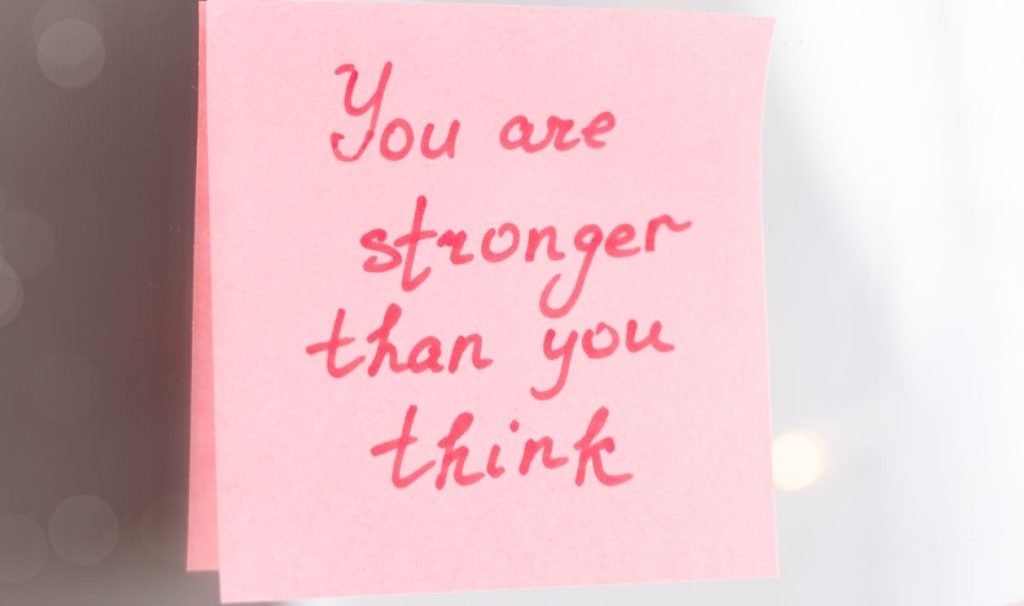
Ultimately, positive affirmations invite us to embrace a practice of self-compassion, offering a simple yet powerful tool to navigate life’s complexities. By starting the day with a positive affirmation or integrating them into daily rituals, individuals can gradually rewrite their narratives, paving the way for a brighter, more empowered future.
DISCOVER MORE: Click here to learn about the power of affirmations
Unpacking the Mechanics of Positive Affirmations
To truly appreciate the power of positive affirmations, it is essential to understand how they work at both a psychological and emotional level. These affirmations can reshape our thinking patterns and foster a healthier mindset, acting as a beacon of hope in times of uncertainty. The underlying mechanism of this practice involves the subconscious mind, which absorbs the affirmations and begins to influence our behaviors, feelings, and thoughts. This is especially vital in vulnerable moments when individuals may be battling self-doubt or anxiety.
Every time we vocalize or write down a positive affirmation, we are essentially training our brain. Research in neuroplasticity—the brain’s ability to reorganize itself by forming new neural connections—underscores that our thoughts can create tangible changes within the brain. When you repeat affirmations like “I am deserving of love and happiness,” you begin to lay down a neurological foundation that supports a more positive self-perception.
The Science Behind Affirmations
The impact of positive affirmations isn’t just anecdotal; scientific studies bolster their credibility and effectiveness. According to a study published in the journal Personality and Social Psychology Bulletin, individuals who engaged in self-affirmation processes showed an increase in emotional well-being and life satisfaction. This suggests that the practice can be particularly beneficial during periods of stress, as it promotes a fundamental shift in how we view ourselves and our capabilities.
- Cognitive Dissonance Reduction: Positive affirmations can help alleviate feelings of cognitive dissonance. When we hold on to beliefs about ourselves that contradict our current self-image, it can cause discomfort. Affirmations help ease this tension by reinforcing a more compassionate view of ourselves.
- Counteracting Negative Bias: Humans are hardwired to focus on the negative; however, positive affirmations can help shift this bias. By consistently practicing affirmations, individuals learn to recognize their strengths and successes, fostering a more balanced perspective on life.
- Encouraging Growth Mindset: Embracing positive affirmations encourages a growth mindset, where individuals see challenges as opportunities for growth rather than insurmountable obstacles. Phrases like “I can learn from my mistakes” can revolutionize how one approaches difficulties.
In the chaotic landscape of modern life, adopting positive affirmations emerges as a straightforward yet profound strategy for enhancing emotional resilience. Engaging with affirmations encourages a proactive approach to personal challenges, moving individuals away from a survival mentality into a realm of empowerment. By utilizing this tool effectively, anyone can cultivate a more positive internal dialogue that not only fosters self-care but also lays the groundwork for a resilient emotional state.
As we embrace the potential that positive affirmations hold, it becomes clear that they are not merely a trend but a crucial element in the toolkit of self-care. By plotting a course anchored in positivity, individuals can navigate life’s challenges with confidence and grace, ultimately leading to a more fulfilling existence.
| Advantages | How They Impact Well-being |
|---|---|
| Enhances Self-Esteem | Repeated use of positive affirmations boosts confidence and helps in accepting oneself, which is a cornerstone of self-care. |
| Reduces Anxiety | Affirmations can help create a mental environment that minimizes anxious thoughts and provides emotional stability, leading to improved resilience. |
| Encourages Positive Thinking | Affirmations encourage individuals to focus on positive outcomes, which can transform perspectives on stressors and enhance emotional resilience. |
| Promotes Mindfulness | Engaging with affirmations fosters a mindful approach to self-care, helping individuals stay present and engaged with their emotional well-being. |
Positive affirmations serve as powerful tools in the pursuit of emotional wellness, acting as a catalyst for change in the way individuals perceive themselves and their circumstances. By understanding and utilizing these advantages, one can unravel the deeper impact of affirmations in maintaining mental health and emotional resilience. This journey into self-discovery through affirmations reveals a unique layer of self-care that encourages individuals to tackle life’s challenges with a fortified mindset. Embracing such techniques not only heightens personal well-being but also fosters a community centered around emotional strength and support. By delving deeper into the realm of positive affirmations, readers are invited to explore their potential impact and the tools available to enhance their journey toward self-care and emotional resilience.
DISCOVER MORE: Click here for insights on mindfulness and self-affirmations
Practical Applications of Positive Affirmations
Incorporating positive affirmations into daily routines can serve as a profound act of self-care. Yet, the effectiveness of this approach is often contingent upon how these affirmations are crafted and utilized. To truly harness their potential, it’s essential to personalize them and make them resonate deeply with individual experiences, goals, and emotions. This personalization can significantly enhance their impact, helping to reinforce a stronger sense of self and emotional resilience.
Creating Effective Affirmations
One of the cornerstones of effective positive affirmations lies in their specificity. Affirmations that are vague or overly general may fail to elicit the desired emotional response. For instance, instead of stating “I am confident,” a more personalized approach could be “I am confident in my abilities to lead my team successfully.” This specificity not only grounds the affirmation in a realistic scenario but also makes the affirmation more relatable and motivating.
Moreover, utilizing the present tense in affirmations fosters a sense of immediacy and ownership. Phrases like “I am capable of achieving my goals” reinforce the belief that success is not just an eventual outcome, but rather a current reality. This technique transforms abstract aspirations into affirmations that feel tangible and attainable.
Integrating Affirmations into Daily Life
The manner in which affirmations are integrated into daily routines can also influence their effectiveness. Consistency is key; regularly repeating affirmations during moments of reflection or meditation can solidify their influence on the subconscious mind. One popular approach is using the morning as a time for affirmation practice. Starting each day with positive declarations can set a tone of optimism and resilience, paving the way for a healthier emotional landscape.
Additionally, pairing affirmations with visual cues can enhance their efficacy. Writing affirmations on sticky notes and placing them in frequent view, such as on a bathroom mirror or a computer monitor, acts as a gentle reminder of one’s intentions and aspirations. This practice not only reinforces the messages but also creates an environment saturated with positivity—subtly inviting resilience into every aspect of daily life.
Supportive Practices and Community
While personal affirmations are powerful, the benefits can be magnified when shared within supportive environments. Surrounding oneself with positivity—whether through close friendships, online communities, or therapeutic settings—can amplify the effects of affirmations. Engaging in discussions about positive self-talk or participating in group affirmation sessions fosters a collective energy that uplifts and encourages. Such connections can combat feelings of isolation often associated with self-doubt and anxiety, reinforcing a communal approach to self-care and emotional resilience.
- Daily Journaling: Keeping a journal that includes affirmative statements can help unfold emotional layers and encourage ongoing introspection. Writing down thoughts can clarify the impact of affirmations over time, providing tangible evidence of growth and change.
- Mindfulness Practices: Integrating affirmations into mindfulness or yoga practices enhances the emotional salience of the statements. By focusing on breath and intention, individuals can deepen their connection to affirmations and cultivate a calmer, more resilient mindset.
The true essence of using positive affirmations lies in recognizing their capacity to nurture not only self-esteem but emotional fortitude. By tailoring affirmations to unique individual circumstances and actively integrating them into life’s fabric, anyone can embark on a transformative journey towards enhanced emotional resilience and self-care.
FOR MORE INSIGHT: Click here to discover how positive affirmations can empower you
Conclusion: Embracing Positive Affirmations for a Healthier Mindset
In a world often filled with stressors and uncertainties, positive affirmations emerge as a powerful component of self-care and a vital tool for building emotional resilience. By crafting personalized affirmations that resonate with individual experiences and aspirations, one can transform negative thought patterns into empowering beliefs. This practice not only cultivates self-esteem but also fortifies an individual’s mental landscape against the challenges of daily life.
As we’ve explored, the integration of affirmations into daily routines—whether through morning rituals, visual reminders, or communal sharing—enhances their effectiveness and nurtures an environment rich in positivity. The synergy between affirmations, mindfulness techniques, and supportive communities creates a holistic approach to emotional well-being, encouraging individuals to confront self-doubt with confidence and grace.
Moreover, the journey of self-discovery through affirmations can lead to profound personal growth, making it imperative for individuals to actively engage with this practice. As they document their progress and witness the tangible changes in their mindset, they lay the groundwork for sustained emotional resilience. The transformative power of positive affirmations reveals that our thoughts indeed shape our realities, offering a compelling invitation to take charge of our mental health.
In essence, embracing positive affirmations is not merely a wellness trend; it is an empowering choice that fosters a healthier mindset, instilling hope, motivation, and a greater sense of purpose. As individuals continue to explore this path, they will discover that the power of words can truly illuminate their journey toward self-care and emotional fortitude.