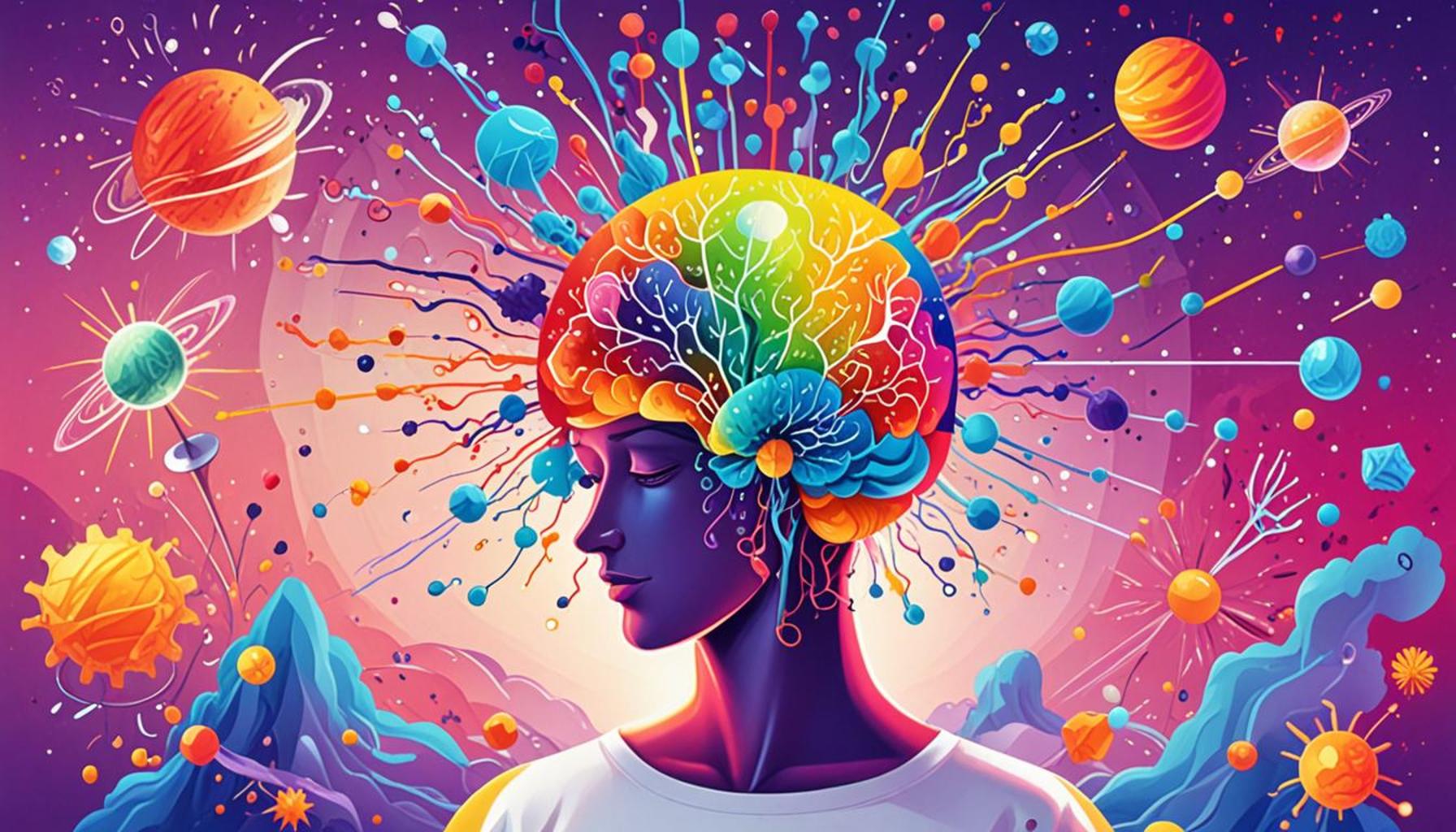
The Influence of Positive Affirmations on Mental Health and Well-Being

Understanding the Role of Positive Affirmations in Mental Health
In today’s fast-paced world, mental health has become a focal point for individuals seeking balance and well-being. One approach gaining traction is the use of positive affirmations, which are simple yet powerful statements aimed at fostering a positive mindset. These affirmations are not just trendy buzzwords; they represent a meaningful explorative approach to improving mental well-being.
But what exactly are positive affirmations? They can be defined as:
- Short, impactful phrases that promote self-acceptance.
- Expressions of hope and aspiration, often repeated daily.
- Tools to challenge negative self-talk and limiting beliefs.
For instance, a common positive affirmation might be, “I am capable of achieving my goals.” When repeated regularly, such affirmations aim to replace negative thoughts with empowering ones, making them a valuable tool in daily life.
The Scientific Foundation of Positive Affirmations
Studies have begun to demonstrate the potential benefits of this practice, revealing connections to improved mental health. Notably, researchers have found that consistent use of positive affirmations can:
- Reduce anxiety and stress levels. A 2016 study published in the journal Psychological Science showed that participants who practiced affirmations reported a decrease in perceived stress, subsequently promoting a calmer and more focused mindset.
- Enhance self-esteem and motivation. In research from the University of California, participants who engaged in daily affirmations showed an increase in self-worth, leading to improved academic performance and personal satisfaction.
- Encourage resilience in the face of challenges. A report by a leading mental health organization found that individuals using affirmations felt more empowered to confront challenges head-on, demonstrating strength and perseverance in emotionally taxing situations.
The Transformational Power of Words
As we delve deeper into the nuances of how positive affirmations affect mental health, it becomes evident that they play a pivotal role in reshaping our mental frameworks. Are they just feel-good phrases, or do they truly alter our perception and mental landscape? The answer appears to lean toward the latter.
Utilizing positive affirmations encourages individuals to stay positive and remain focused on their potential. In the United States, mental health campaigns are increasingly incorporating affirmations as part of their programs to promote resilience and self-acceptance. When practiced regularly, these affirmations have the potential to be transformative, providing a vital tool for those navigating the complexities of mental health.
By integrating positive affirmations into one’s daily routine, individuals are not just performing a ritual. They are actively engaging in a practice that has been backed by research and has the power to uplift one’s emotional, psychological, and social well-being.
DISCOVER MORE: Click here to energize your mornings
The Mechanisms Behind Positive Affirmations
To truly understand the influence of positive affirmations on mental health, it helps to investigate the mechanisms at play. At their core, positive affirmations function by reshaping our inner dialogue, effectively transforming the voice of self-doubt into one of encouragement and empowerment. This cognitive shift can lead to profound changes in how individuals perceive themselves and their circumstances.
One notable mechanism is the concept of neuroplasticity. Our brains possess the remarkable ability to reorganize themselves by forming new neural connections throughout life. According to psychologists, when individuals regularly repeat positive affirmations, they can create and strengthen neural pathways associated with positive thinking and self-worth. This shift in thought patterns can gradually replace the engrained negative self-talk that many people experience.
Benefits of Positive Affirmations in Daily Life
The applicability of positive affirmations transcends beyond mere experimentation; they serve as powerful tools for fostering psychological resilience and self-acceptance. Here are some key benefits that users often report:
- Decreased feelings of inadequacy: By repeating affirmations such as “I deserve happiness” or “I am worthy of love,” individuals can start to dismantle feelings of unworthiness, which often stem from past experiences and societal pressures.
- Increased motivation: When individuals affirm their goals and intentions, it not only enhances their self-belief but also ignites a renewed sense of determination. Consequently, this can lead to better performance, whether academically or professionally.
- Improved coping strategies: Engaging with affirmations prepares individuals to better handle stressors. Affirmations like “I can manage what comes my way” equip them to approach challenges with a constructive mindset and resilience.
Real-Life Applications of Affirmations
Positive affirmations are increasingly finding their way into various aspects of life, contributing to improved mental health and well-being across different settings. In therapeutic environments, therapists encourage clients to incorporate affirmations into their daily routines as a complementary strategy for managing stress and anxiety. Schools in the United States are also adopting this practice by integrating affirmations into classroom settings, fostering a positive atmosphere among students and encouraging self-esteem.
Moreover, individuals often share their transformative journeys online, leading to a growing community that actively engages in the practice of positive affirmations. Social media platforms abound with hashtags like #AffirmationChallenge and #PositiveVibes, inviting others to participate in cultural dialogues around self-acceptance, mental health, and personal growth.
As research continues to spotlight the efficacy of positive affirmations, it is evident that they hold potential benefits for those seeking to improve their emotional landscape. By embracing these affirmations in daily life, individuals not only challenge limiting beliefs but also foster a supportive internal dialogue that can significantly enhance their mental well-being.
The Influence of Positive Affirmations on Mental Health and Well-Being
Positive affirmations are powerful tools that can significantly enhance mental health and well-being. When individuals use affirmations, they engage in a vital practice that promotes self-empowerment and fosters an improved sense of self-worth. By regularly repeating positive statements about oneself, individuals can combat negative thoughts and reshape their self-image, ultimately leading to greater resilience in the face of life’s challenges.Research has shown that the daily practice of positive affirmations can lead to lower stress levels and increased emotional well-being. When people affirm their strengths, they can reduce feelings of anxiety and depression, creating a healthier psychological state. This newfound positivity can also enhance interpersonal relationships, allowing individuals to express themselves more openly and connect with others on more profound levels.Moreover, positive affirmations can act as a catalyst for change. By visualizing success and maintaining a positive mindset, individuals are more likely to pursue their goals and achieve desired outcomes. This practice encourages a forward-thinking perspective, which can influence one’s overall motivation and drive, thereby creating a ripple effect of positivity in various aspects of life.To fully appreciate the impact of positive affirmations, it’s essential to understand the underlying mechanisms that make them effective. They help to create a more balanced perspective, allowing individuals to focus on their strengths rather than dwelling on weaknesses. This transformative process can lead to long-lasting changes in behavior and thought patterns that enhance mental health over time.In summary, positive affirmations’ potential to improve mental health and well-being is substantial. Whether you are battling self-doubt or seeking a boost in confidence, incorporating affirmations into your daily routine can result in profound benefits that ripple throughout your life. Engaging with positive affirmations is not merely an exercise in optimism; it is a deliberate choice that can shape the trajectory of one’s mental health journey.
| Category | Description |
|---|---|
| Self-Confidence | Affirmations boost self-confidence by challenging negative self-perceptions. |
| Emotional Resilience | Regular use enhances emotional resilience, helping to manage stress effectively. |
DIVE DEEPER: Click here to discover the power of personal narrative
Scientific Evidence Supporting Positive Affirmations
The rise of positive affirmations as a tool for enhancing mental health is no longer relegated to anecdotal evidence; numerous studies have emerged to substantiate their effectiveness. Research conducted by social psychologists has shown that engaging in positive affirmation practices can bolster an individual’s self-esteem, especially during stressful situations. For instance, a study published in the journal Psychological Science revealed that participants who practiced self-affirmation exhibited greater problem-solving abilities and increased perseverance compared to those who did not.
Impact on Stress Reduction
In an increasingly fast-paced world, stress management is crucial for maintaining mental health. Positive affirmations have been found to significantly mitigate stress levels. According to research from the University of California, individuals who engaged in daily affirmations showed reduced cortisol levels—the hormone associated with stress—after undergoing stressful tasks. This physiological reaction illustrates a prominent benefit of positive affirmations: they do not just affect our mental frame of reference, but can also enact real changes in our body’s stress response.
A Tool for Specific Populations
Interestingly, the benefits of positive affirmations extend to specific populations. For example, in clinical settings, patients dealing with chronic illnesses such as cancer have found solace in affirmations tailored to their experiences. A study showcased that cancer patients who utilized affirmations reported higher levels of optimism and improved overall well-being, suggesting that personalized affirmations could complement traditional therapy in health care settings.
Furthermore, positive affirmations have shown promise among marginalized populations. Research indicates that individuals from underrepresented backgrounds who practice affirmations reflecting their self-worth and capabilities can counteract the effects of systemic biases and stigma. This empowers them to navigate societal pressures with resilience, enhancing their mental health in the process.
Affirmations in the Workplace
In the workplace, the significance of positive affirmations is becoming increasingly recognized. Employers are beginning to incorporate affirmation practices into corporate wellness programs, aiming to cultivate a supportive work environment. Affirmations like “I contribute meaningfully to my team” or “I am capable of achieving my goals” can lead to a more engaged and productive workforce. Studies show that employees who embrace positive self-talk report higher job satisfaction and better performance outcomes.
- Enhanced team dynamics: Encouraging employees to share affirmations can promote an environment of trust and collaboration.
- Reduction in burnout: Regular affirmation practices can act as a buffer against the fatigue and emotional exhaustion that often plague high-pressure jobs.
- Cultivation of leadership qualities: Leaders who model positive affirmations can inspire their teams to adopt a growth mindset, enhancing overall functionality.
As the exploration into the influence of positive affirmations on mental health and well-being continues, it is clear that the science behind these simple phrases is both profound and multifaceted. The ongoing research underscores the potential of affirmations not just as a self-help tool but as a legitimate psychological intervention that can be adapted across various contexts. Their growing presence in therapeutic practice, educational settings, and even corporate environments signals a shift towards more holistic approaches to mental wellness in various facets of life.
DISCOVER MORE: Click here to transform your mornings
Conclusion
In conclusion, the exploration of positive affirmations underscores their tremendous potential to enhance mental health and well-being across various contexts. As illustrated through a plethora of studies, engaging in affirmative practices can lead to substantial psychological benefits, including enhanced self-esteem, reduced stress levels, and improved resilience. The physiological impacts confirmed by scientific research, such as the reduction in cortisol levels among individuals who regularly practice affirmations, further bridge the gap between mental and physical health outcomes.
Moreover, the adaptability of positive affirmations demonstrates their applicability in niche populations, from cancer patients to marginalized communities, illustrating their role in fostering strength amid adversity. In the workplace, their integration into corporate wellness initiatives not only cultivates a supportive environment but also enhances productivity and job satisfaction. Through fostering a culture of positivity, organizations can mitigate burnout and promote effective collaboration among team members.
As we embrace the evidence supporting the efficacy of positive affirmations, it becomes increasingly important to incorporate these practices into our daily lives, educational systems, and workplaces. This strategic approach can pave the way for holistic mental wellness, encouraging individuals to harness the power of positive thinking while equipping them with tools to combat life’s challenges. In a world where mental health issues are on the rise, positive affirmations emerge as a beacon of hope, inviting us all to rethink our mental narratives and the language we use when addressing ourselves.